
Witness Anonymity Sparks Legal Showdown in 'Political Fixer' Case
A Johannesburg court's decision to shield witnesses in the Brown Mogotsi firearm case raises national fair trial concerns, impacting justice across SA.
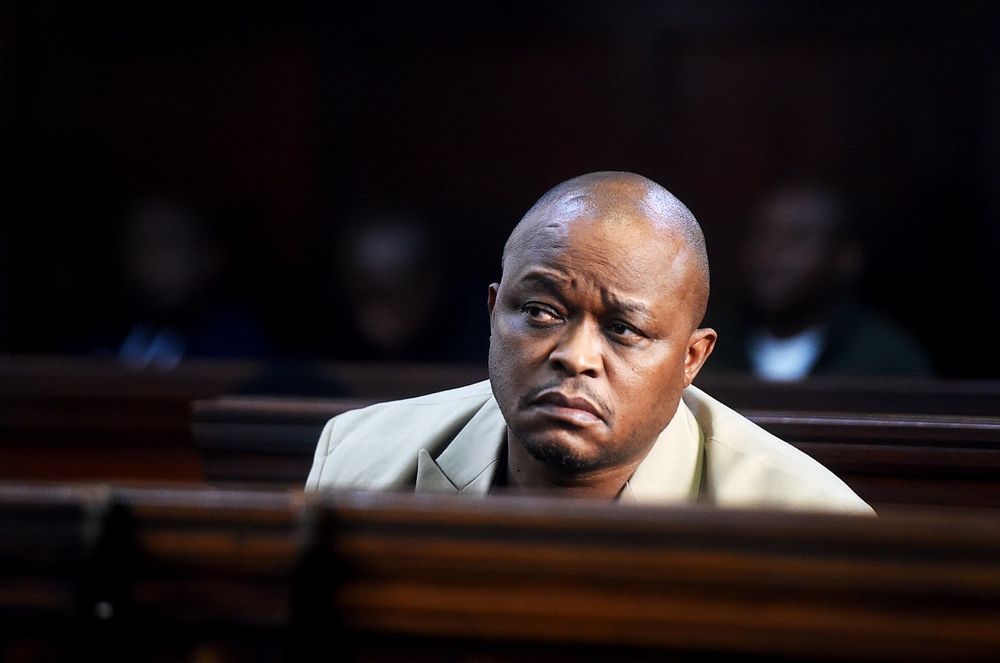
A recent ruling by the Johannesburg Magistrate’s Court has ignited a fierce debate over the delicate balance between witness protection and an accused’s right to a fair trial. In a move aimed at safeguarding individuals set to testify against self-proclaimed political fixer Brown Mogotsi, the court denied his legal team's plea to reveal the identities of two key State witnesses, citing serious safety concerns.
Court Upholds Witness Safety Amidst Tense Proceedings
The courtroom drama unfolded as Mogotsi’s defence argued vehemently that withholding the names and addresses of witnesses, along with other crucial evidence, severely hampered their ability to prepare for trial and challenge the credibility of those testifying. The defence sought an order to compel the prosecution to disclose these particulars, arguing that without them, they could not independently investigate motives, verify presence at the scene, or effectively cross-examine. The State, however, successfully countered, emphasizing the paramount need to shield witnesses from potential intimidation or harm, a concern that ultimately swayed the court’s decision.This ongoing legal battle stems from charges linked to an alleged staged assassination attempt in Vosloorus in November 2025. Mogotsi faces a slew of charges, including perjury, defeating the ends of justice, unlawful possession of a firearm and ammunition, and discharging a firearm in a public place. Prosecutors allege that Mogotsi fired shots at his own vehicle and then falsely reported surviving an assassination bid. The previous court appearance in October was postponed to allow the State more time to respond to Mogotsi's application for further details, setting the stage for this latest confrontation over witness anonymity.
Defence Cries Foul Over 'Secret' Witnesses
Mogotsi’s legal representative articulated deep frustration, contending that the State had failed to provide adequate justification for its secrecy. "The state cannot be allowed to act unilaterally and hide behind security reasons," the defence asserted, questioning the fairness of a trial where the identities of crucial accusers remain shrouded in secrecy. The defence also sought access to cellphone records to ascertain witnesses’ proximity to the alleged incident scene and employment records for one witness, identified only as A5, to verify their whereabouts. The crux of their argument centred on the fundamental right to properly investigate and challenge testimony, a right they claim is severely compromised by the court's ruling. The prosecution's successful opposition underscores the escalating tensions inherent in this high-profile case.The Durban, KwaZulu-Natal Angle
While this legal drama unfolds in a Johannesburg courtroom, its implications resonate deeply across the entire South African legal landscape, including our own KwaZulu-Natal coastline. The integrity of our justice system, the delicate balance between protecting vulnerable witnesses, and upholding the constitutional right to a fair trial are not regional issues – they are national pillars that affect every citizen, from Ballito to Port Edward. The precedent set by this ruling could influence future cases within our province, particularly those involving sensitive testimony or high-stakes criminal allegations where witness safety is a concern. Durban and KZN residents rely on a robust and equitable justice system, and decisions like these remind us of the continuous efforts required to ensure that justice is not only served but also perceived to be fair and transparent for all, while simultaneously safeguarding those who bravely step forward to assist the State. This case underscores the ongoing national challenge of witness intimidation and the measures courts must take to combat it, a challenge certainly not exclusive to Gauteng.Source: IOL News

KZN Journalism Mourns Loss of Fearless Voice, Nabeelah Shaikh
Durban Coastal News remembers Nabeelah Shaikh, the award-winning investigative journalist with deep ties to KZN, who passed away at 34.

Durban's Gateway Role: KZN Eyes China's Zero-Tariff Push Amid Record Africa Trade
As China announces record trade with Africa and new zero-tariff policies, Durban's port and KZN businesses weigh the opportunities and challenges. Explore the…

Gaza's Unseen Frontline: When Reporters Become the Story
A new documentary exposes the perilous lives of journalists in Gaza, highlighting their fight for truth amidst conflict. Discover why reliable reporting from…

Hazardous Discovery: Amaoti Toddler Hospitalised After Ingesting Unidentified Pills
A four-year-old Amaoti girl is fighting for her life after ingesting unidentified pills found in a bin. This critical incident sparks urgent warnings for child

SAPS Tragedy in Oudtshoorn Prompts National Call for Officer Welfare Focus, KZN On Alert
The tragic deaths of an Oudtshoorn police sergeant and his wife highlight critical issues facing SAPS nationwide. Durban Coastal News examines the impact on…

Coastal KZN on High Alert: Weekend Deluge Threatens Durban and Surrounds
Heavy rain, thunderstorms, and potential flooding are forecast for Durban and KZN's eastern coast this weekend. Residents urged to take caution as eThekwini…

KZN Wards Head Back to Polls: IEC Tackles Post-Election Anomalies
Two KwaZulu-Natal wards face fresh by-elections as the IEC addresses candidate selection issues and tragic deaths, impacting local governance in KZN.