
Durban's Gateway Role: KZN Eyes China's Zero-Tariff Push Amid Record Africa Trade
As China announces record trade with Africa and new zero-tariff policies, Durban's port and KZN businesses weigh the opportunities and challenges. Explore the…

DURBAN – China’s formidable trade ties with Africa are deepening, with Beijing touting a record US$348 billion in annual trade and rolling out a new zero-tariff policy for 53 African nations. As Washington's trade preferences wobble, this strategic move by the world’s second-largest economy carries significant implications for KwaZulu-Natal, particularly for Durban’s bustling port and the province's ambitious business sector.
Beijing Bets Big on African Ties
Speaking to a delegation of African journalists, Wang Wei, the Communist Party of China's Deputy Director-General for Coordinating Foreign Affairs, highlighted China's consistent position as Africa's largest trading partner for 17 consecutive years. The 2025 trade figures reached an unprecedented US$348.05 billion, marking a substantial 17.7% increase. This growing economic exchange is underpinned by a new zero-tariff policy, effective May 1st, covering 100% of tariff lines for goods from 53 African countries – an arrangement set to run until April 2028.
Wang framed the relationship as one without fundamental conflict, rooted in historical solidarity from the liberation era to modern-day infrastructure projects like the Tanzania–Zambia railway. She emphasized principles of sincerity, real results, and good faith, citing a year of 70th anniversary celebrations of diplomatic relations and numerous cultural exchange activities.
The Trade Imbalance Beneath the Headlines
While China champions its record trade volume and zero-tariff offer, the underlying dynamics reveal a persistent challenge for African economies. The continent’s trade deficit with China significantly widened in 2025, soaring by 64.5% to US$102.01 billion. Chinese imports from Africa, while increasing by 5.4% to US$123 billion, remain heavily dominated by raw materials such such as crude oil, copper, cobalt, and iron ore. This underscores the need for African nations to diversify their exports and move up the value chain to truly benefit from enhanced market access.
The Durban, KwaZulu-Natal Angle
For Durban and the broader KwaZulu-Natal coast, these developments are profoundly relevant. As Africa’s busiest port and a vital economic hub, Durban serves as a critical gateway for much of South Africa's international trade, including with China.
Port Activity and Logistics: Increased trade volumes, whether imports or potential exports, directly impact Durban Port's operations. This could lead to greater demand for logistics services, warehousing, and port infrastructure upgrades, potentially creating jobs and stimulating related industries along the coast.
Business Opportunities: KZN businesses, particularly in agriculture, manufacturing, and processed goods, could find new avenues to export to China under the zero-tariff policy. This offers a compelling incentive for local producers to explore the vast Chinese market, requiring strategic planning and understanding of Chinese consumer demands. However, it also means increased competition for domestic industries from potentially cheaper Chinese imports, necessitating innovation and competitive pricing from local firms.
Economic Diversification: For KZN’s long-term economic resilience, leveraging this relationship to attract Chinese investment into local manufacturing and value-added processing is crucial. This could help shift the pattern of raw material exports and foster more sustainable growth.
Tourism and Cultural Exchange: Beyond trade, the focus on cultural and people-to-people exchanges highlighted by Beijing could also indirectly benefit KZN's tourism sector, potentially increasing visitor numbers and fostering deeper understanding between the regions.
Ultimately, as global trade patterns shift, Durban and KZN must strategically navigate this evolving relationship with China, seizing opportunities for growth while actively addressing the challenges of trade imbalance and ensuring local industries thrive.
Source: IOL News

KZN Journalism Mourns Loss of Fearless Voice, Nabeelah Shaikh
Durban Coastal News remembers Nabeelah Shaikh, the award-winning investigative journalist with deep ties to KZN, who passed away at 34.

Gaza's Unseen Frontline: When Reporters Become the Story
A new documentary exposes the perilous lives of journalists in Gaza, highlighting their fight for truth amidst conflict. Discover why reliable reporting from…

Hazardous Discovery: Amaoti Toddler Hospitalised After Ingesting Unidentified Pills
A four-year-old Amaoti girl is fighting for her life after ingesting unidentified pills found in a bin. This critical incident sparks urgent warnings for child
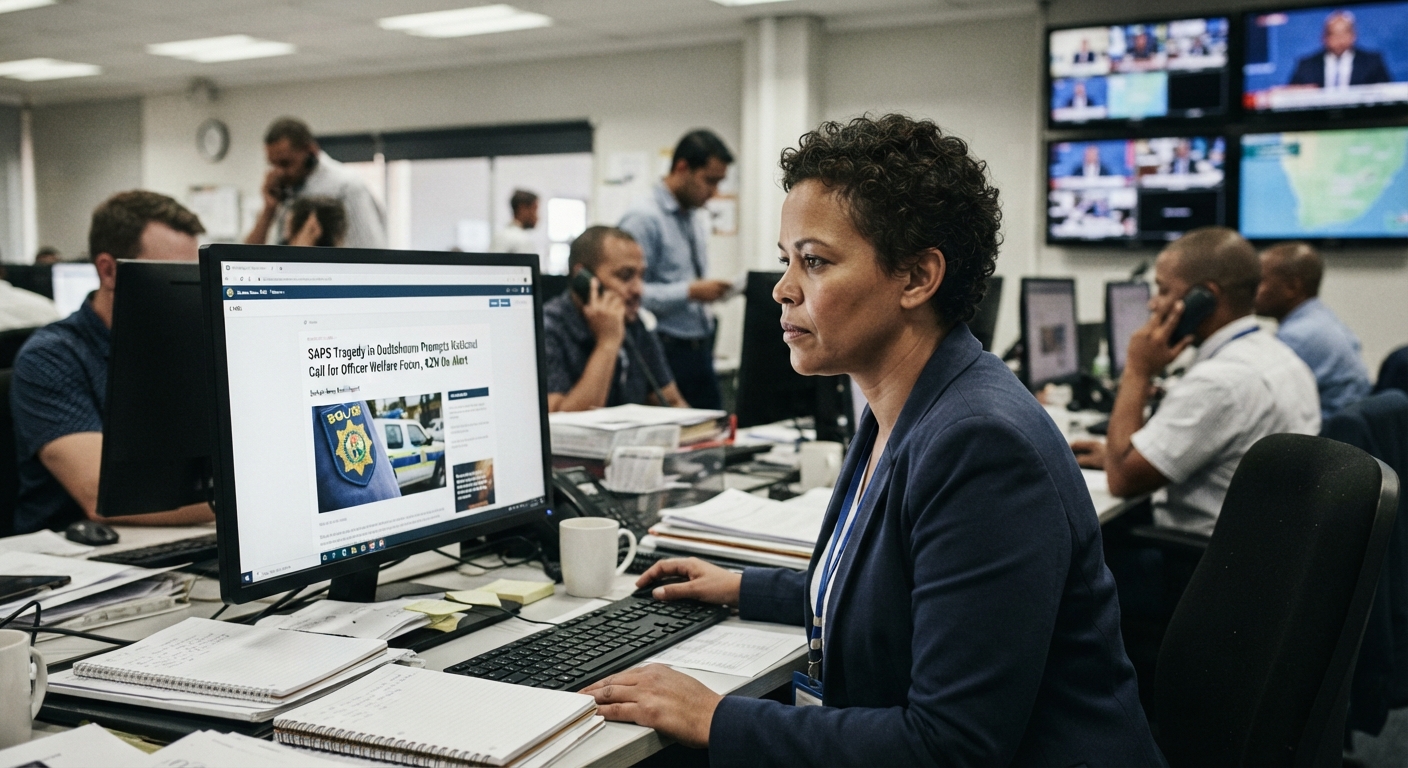
SAPS Tragedy in Oudtshoorn Prompts National Call for Officer Welfare Focus, KZN On Alert
The tragic deaths of an Oudtshoorn police sergeant and his wife highlight critical issues facing SAPS nationwide. Durban Coastal News examines the impact on…
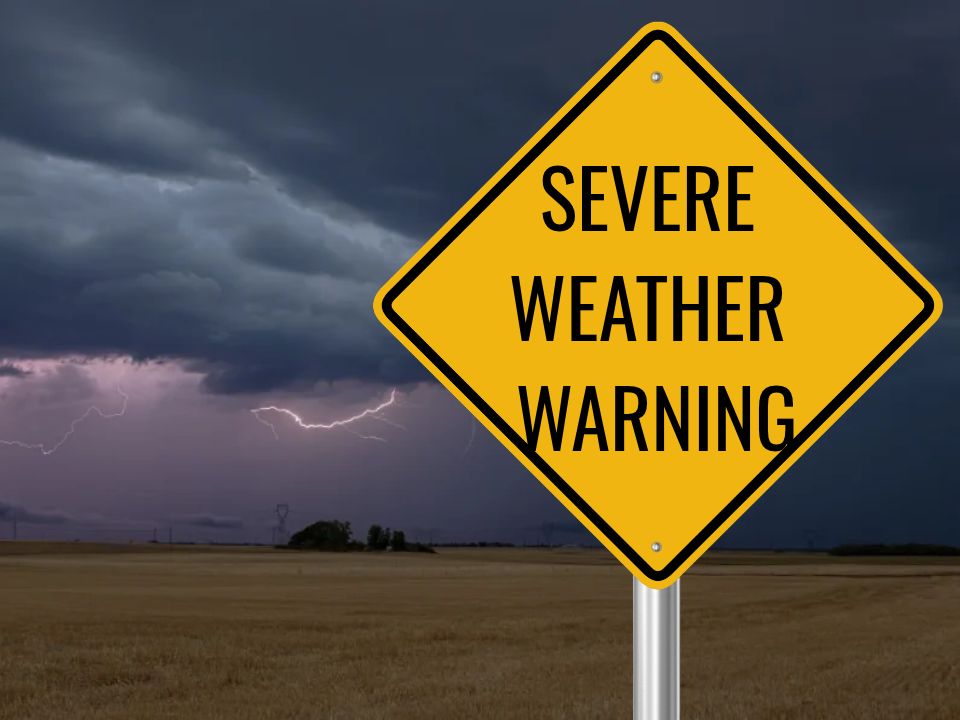
Coastal KZN on High Alert: Weekend Deluge Threatens Durban and Surrounds
Heavy rain, thunderstorms, and potential flooding are forecast for Durban and KZN's eastern coast this weekend. Residents urged to take caution as eThekwini…

KZN Wards Head Back to Polls: IEC Tackles Post-Election Anomalies
Two KwaZulu-Natal wards face fresh by-elections as the IEC addresses candidate selection issues and tragic deaths, impacting local governance in KZN.

KZN Hospitals Grapple with Critical Mental Health Drug Shortages
Durban and KZN public hospitals face severe shortages of vital psychotropic medications, impacting patients with severe mental illnesses. Psychiatrists warn of